Beneath Kyiv: Five Stories Beyond the Landmarks
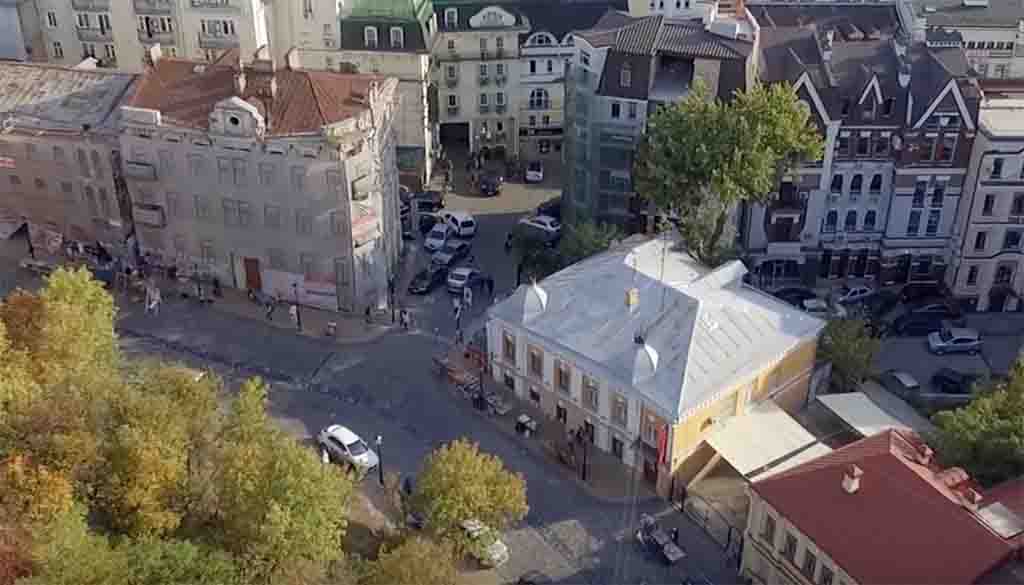
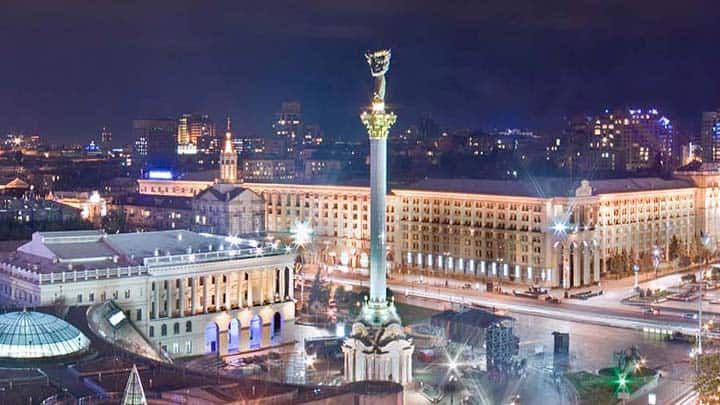
The fastest way to misunderstand Kyiv is to treat it like a collection of golden domes and recommended restaurants. Peter Santenello's “Beneath Kyiv” series hands the city to five people and lets their lives decide where the camera goes.
Released between November 2017 and January 2018, these episodes now work on two levels. They're personal stories first, but they're also a record of Kyiv before Russia's full-scale invasion changed the city and everyone living in it.
Episode 1: Kyiv With Oleksandr Pedan
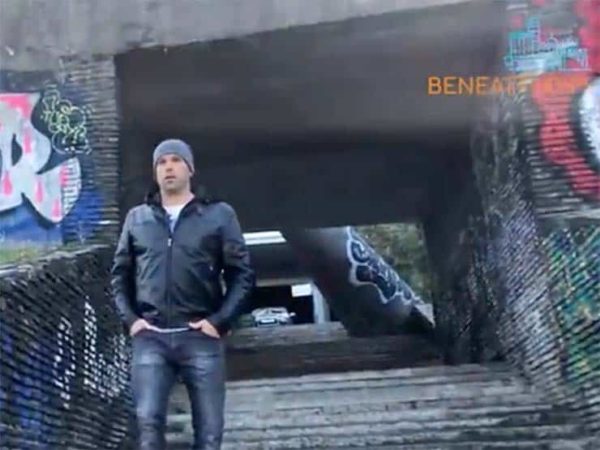
The series opens with Ukrainian television presenter Oleksandr Pedan, who doesn't deliver a polite walking tour. He takes Peter through a day of coffee, street art, extreme driving, wakeboarding, and candid conversation about the city after the Revolution of Dignity.
It's an energetic introduction, but the most useful moments come between activities. Pedan talks about Kyiv's creative growth, uneven development, terrible roads, and the feeling that the city is changing around the people shaping it.
Episode 2: Tanya Rebuilds Through Art
The second episode slows down for Tanya, who speaks about the deaths of three children, two divorces, and leaving a career in law and economics. Art becomes the way she moves out of the darkest period of her life and begins building something new.
Peter follows her through the Kyiv she chooses to share, including the Park of Partisan Glory. The city isn't presented as a cure; it becomes the setting in which one person finds enough room to recover.

- Explains everyday etiquette, values, and social expectations in Ukraine
- Helps visitors navigate conversations and invitations more thoughtfully
- Compact enough to read before a trip and revisit while planning
Episode 3: Max Confronts His Past
Max's story is uncomfortable by design. He speaks openly about addiction, crime, violence, prison, and the long work of becoming someone who no longer lives by those rules.
The episode doesn't package recovery as a clean before-and-after transformation. It lets Max name the harm, walk through the city attached to those memories, and explain the discipline required to keep moving in another direction.
Episode 4: Finding Home After Two Wars
The fourth story follows a woman born in Ukraine and raised partly in Syria. War drove her from Damascus to Donetsk, then fighting in Donbas forced her to pack again and make Kyiv her home.
Her route through the city becomes a conversation about displacement, business, courage, and the strange moment when an unfamiliar place begins to feel like yours. Watching her describe Kyiv as a city where she can rise from the ashes carries even more weight after 2022.

- Introduces Ukraine through the faces and stories of its people
- Offers visual context for the country beyond breaking-news imagery
- A substantial gift for readers drawn to contemporary Ukrainian life
Episode 5: Two Possible Futures
The final episode places two versions of Ukraine beside one another. Peter visits Mezhyhirya, the extravagant former residence associated with President Viktor Yanukovych, then goes to UNIT.City, a new innovation campus built around education, technology, and entrepreneurship.
The contrast is deliberately blunt: wealth extracted and hidden versus money invested in people and ideas. The episode asks whether the second model can overcome the first without pretending that one attractive campus settles the question.
What the Series Gets Right
“Beneath Kyiv” rarely asks a person to stand in front of a landmark and explain it. The city appears through driving, work, family loss, addiction, displacement, ambition, jokes, awkward questions, and the places each participant actually values.
That approach makes the series age better than a conventional travel countdown. Several details belong firmly to 2017, but the people never feel like props for an old guide.
What Has Changed Since Filming
The skyline, station names, businesses, and public spaces have changed, and the full-scale invasion added air alerts, curfew, memorials, military service, displacement, and recurring attacks to daily life. The optimism of the final episode now sits beside knowledge the filmmakers couldn't have had.
That doesn't make the series naive or obsolete. It preserves the questions Kyiv residents were asking before 2022 and reminds us that their lives were already complex before war became the first thing outsiders associated with Ukraine.
The best episode depends on what stays with you: Pedan's velocity, Tanya's recovery, Max's honesty, one woman's search for home, or the argument between corruption and possibility. Together, the five do what the title promises—they get beneath Kyiv without pretending they've reached the bottom.