9 Common Kyiv Scams—and How to Stay One Step Ahead
- First, One Serious Note
- 1. The Story That Opens Your Wallet
- 2. The Volunteer Who Won't Let You Verify
- 3. The Photo That Suddenly Has a Price
- 4. The Charming Stranger and the Terrible Bar Bill
- 5. The “I Need a Taxi Home” Add-On
- 6. Dirt on Your Coat and a Wallet on the Ground
- 7. The Taxi Meter With an Imagination
- 8. The Apartment That Belongs to Someone Else
- 9. The ATM That Has Extra Parts
- See the Setups in Action
- The Best Way to Ruin the Script
Most scams don't begin with someone looking suspicious. They begin with someone looking helpful, charming, unlucky, or just official enough to make you hesitate.
That hesitation is what the trick needs. Once you recognize the setup, the whole performance becomes much less convincing.
First, One Serious Note
Kyiv's biggest safety risk in 2026 isn't pickpocketing. Russia's war continues to bring missile and drone attacks, air alerts, curfews, and sudden disruptions to the city.
If you're considering a trip, read the latest U.S. State Department advice or your own government's guidance; the UK's Ukraine travel advice is another useful source. This article covers everyday theft and fraud, not wartime security.
Now, onto the smaller dangers: nine scams that can make an ordinary day in Kyiv expensive in a hurry.
1. The Story That Opens Your Wallet
A sad story can catch you before your common sense does. It may involve a sick relative, an injury, a baby, or official-looking documents—but the rush to make you open your wallet in a crowd is the warning sign.
I've had a young child grab my leg and scream while I tried to move away. It's hard to think clearly when a stranger turns a request into a scene.
What to do: Don't pull out your wallet while you're surrounded or being touched. If you want to help, step away first, buy food directly, or donate to an organization you've verified yourself.
Keeping a little spending money separate from your backup cash and documents also means one open wallet doesn't reveal everything you're carrying.

- Keeps a passport, cards, and emergency cash concealed under clothing
- RFID-blocking material adds another layer around chipped documents and cards
- A low-profile option for airports, overnight trains, and crowded sightseeing days
You'll most often meet high-pressure requests near station entrances, busy streets, churches, and shop doors. A firm “no,” continued movement, and a hand on your bag are usually enough.
2. The Volunteer Who Won't Let You Verify
Real volunteers are one of Ukraine's great strengths, which is exactly why fake military and charity collections are so convincing—and so ugly. A uniform, laminated badge, collection box, or emotional photograph still isn't proof that your money will reach anyone in need.
The modern version may arrive by phone or message. In July 2026, Kyiv police warned about callers impersonating police or the SBU, inventing criminal cases, and demanding money or private financial information.
What to do: Ask for the organization's name, walk away, and find its official site independently. Don't scan a random QR code or transfer money while someone stands over you.
Police and the SBU don't settle investigations through an urgent payment. End the call, don't share personal information, and contact 102 or 112 if someone threatens you or claims to be an officer demanding money.
3. The Photo That Suddenly Has a Price
Near a landmark, someone in costume may hand you an animal, pose beside you, or encourage a quick photograph. The friendly moment ends when an absurd price appears and several people begin pressuring you to pay.
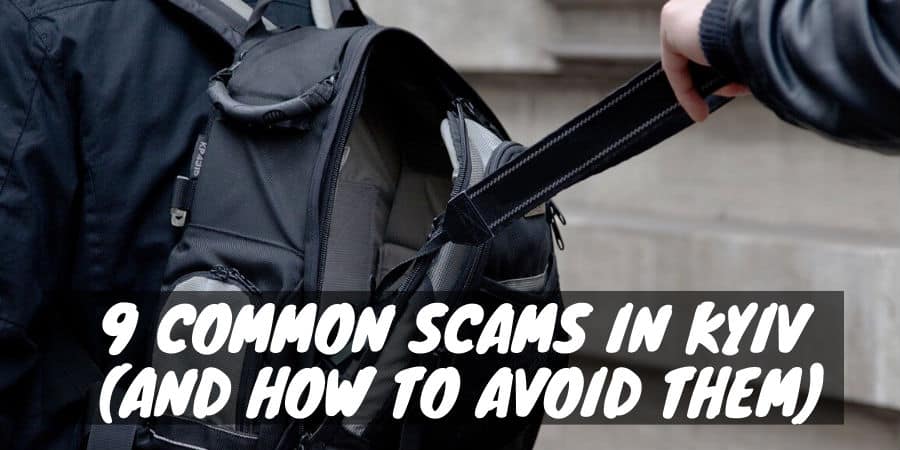
Another version is even simpler: a stranger offers to take your picture, then walks away with your unlocked phone or camera. While you're focused on getting it back, an accomplice may be checking your pocket or backpack.
What to do: Agree on the total price before accepting a prop, pose, or animal. If you need a photographer, choose another visitor yourself and keep the rest of your valuables attached to you.
The object in front of you isn't always the real point; sometimes it's only there to move your attention.

- Lockable zippers and slash-resistant materials deter quick opportunistic theft
- The 25-liter size works for city days without becoming full carry-on luggage
- A practical choice for travelers carrying a camera, tablet, or documents
Not every theft needs an elaborate distraction. Sometimes an exposed phone or loose bag is all the invitation someone needs.
4. The Charming Stranger and the Terrible Bar Bill

The evening can feel perfectly normal until your new friend insists on choosing the bar. A few casually ordered drinks later, an outrageous bill lands on the table—and the suddenly unfriendly staff make it clear you're paying.
Drink spiking is a separate danger, but the precautions overlap. Order your own drink, watch it being opened or poured, and don't leave it unattended.
Who approaches you isn't the warning sign. The real problem is a stranger controlling the venue, the order, the transport, or the tab while steering you away from questions.
What to do: Check the menu and prices before ordering, keep your card in sight, and leave when the pressure starts. If you're threatened over a bill, move toward a staffed public place and call 102 or 112 rather than trying to argue with a group.
5. The “I Need a Taxi Home” Add-On
The date's going well—right up until getting home suddenly requires a small fortune in cash. The request might be genuine, but a precise amount, sudden urgency, and no interest in a practical alternative should make you pause.
Romance isn't required. A new acquaintance may suddenly need money for a train, medicine, a family emergency, or one last fee that only you can solve.
What to do: If you genuinely want to help with a ride, offer to book it through an established app instead of handing over cash. If that reasonable solution causes the story to change again, you've learned what you needed to know.
6. Dirt on Your Coat and a Wallet on the Ground
A mysterious stain appears on your coat, and a helpful stranger already has a cloth ready. The moment you set down your bag to clean it, their accomplice gets exactly what they were waiting for.
In the dropped-wallet version, you pick up a wallet to return it and its “owner” suddenly claims money is missing. A fake officer may then appear and offer to make your frightening new problem disappear for cash.
What to do: Keep your bag attached while checking any stain, and don't handle a stranger's wallet. If someone claims you've committed a crime, move toward a hotel, bank, or staffed business and call 102 or 112 yourself.

- Adds Find My network tracking to a suitcase, keys, or everyday bag
- One-tap iPhone setup makes it quick to prepare before departure
- Precision Finding and an audible alert help locate an item nearby
7. The Taxi Meter With an Imagination
The taxi starts moving, the route starts wandering, and the driver hopes you won't notice either. By the time you arrive, a simple ride has somehow acquired a sightseeing surcharge nobody mentioned.
This isn't just an old travel tale: the UK's current safety guidance warns that unregulated taxi drivers in Ukraine can overcharge. Forget memorizing a per-kilometer rate that'll soon be outdated; the useful part is knowing how you'll book before you need a ride.
What to do: Use an established ride-hailing app or an official taxi company, match the license plate before getting in, and check the displayed route and fare. If an app isn't available, agree on the complete price before the car moves and walk away if the driver won't give one.
8. The Apartment That Belongs to Someone Else
The apartment looks almost too good for the price—which is usually when the “owner” announces that only an immediate deposit can save it for you. Send the money, and you may discover that the photos were stolen, the address doesn't exist, or the person with your cash never owned the place.
Sometimes the apartment exists, but the version you booked doesn't. Missing utilities, a changed address, or a last-minute demand for extra money can leave you choosing between a poor stay and no stay at all.
What to do: Check recent reviews, compare photographs and addresses, and keep messages and payments on the booking platform. Airbnb itself warns that paying outside its platform removes AirCover protection and raises the risk of fraud.
Keep screenshots of the listing and check-in details, and know where you'd go if the accommodation falls through.
9. The ATM That Has Extra Parts
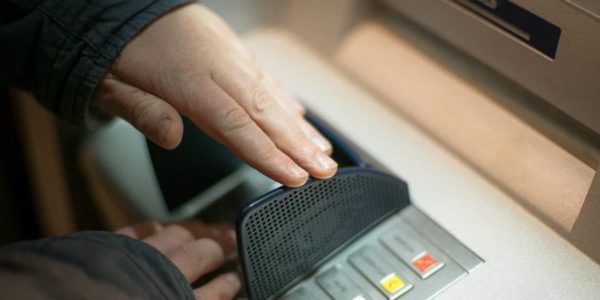
The ATM looks perfectly ordinary—which is exactly the point. A skimmer can copy your card, a hidden camera can catch your PIN, or a trap can hold the card until you walk away and leave it behind.
What to do: Use an ATM inside a staffed bank during opening hours when possible. Check the reader and keypad for loose or mismatched parts, shield your PIN, enable transaction alerts, and reject unsolicited help.
If the machine swallows your card, don't trust the helpful phone number pasted beside it. Freeze the card in your banking app and contact the bank through its official app or website.
See the Setups in Action
The next video runs a little over ten minutes and collects several Kyiv-specific warnings in one place. Some details reflect the city before the full-scale invasion, but the pressure tactics are still easy to recognize.
The Best Way to Ruin the Script
Different scam, same basic performance: catch you off guard, create urgency, and keep you moving before you've had time to think. Pause, keep hold of your belongings, and check the story somewhere the other person can't control.
Knowing these tricks doesn't mean walking around Kyiv suspicious of everyone. It means you can recognize the setup, step out of it early, and get back to enjoying the city.