Can You Visit Chernobyl? Inside Ukraine's Silent Zone
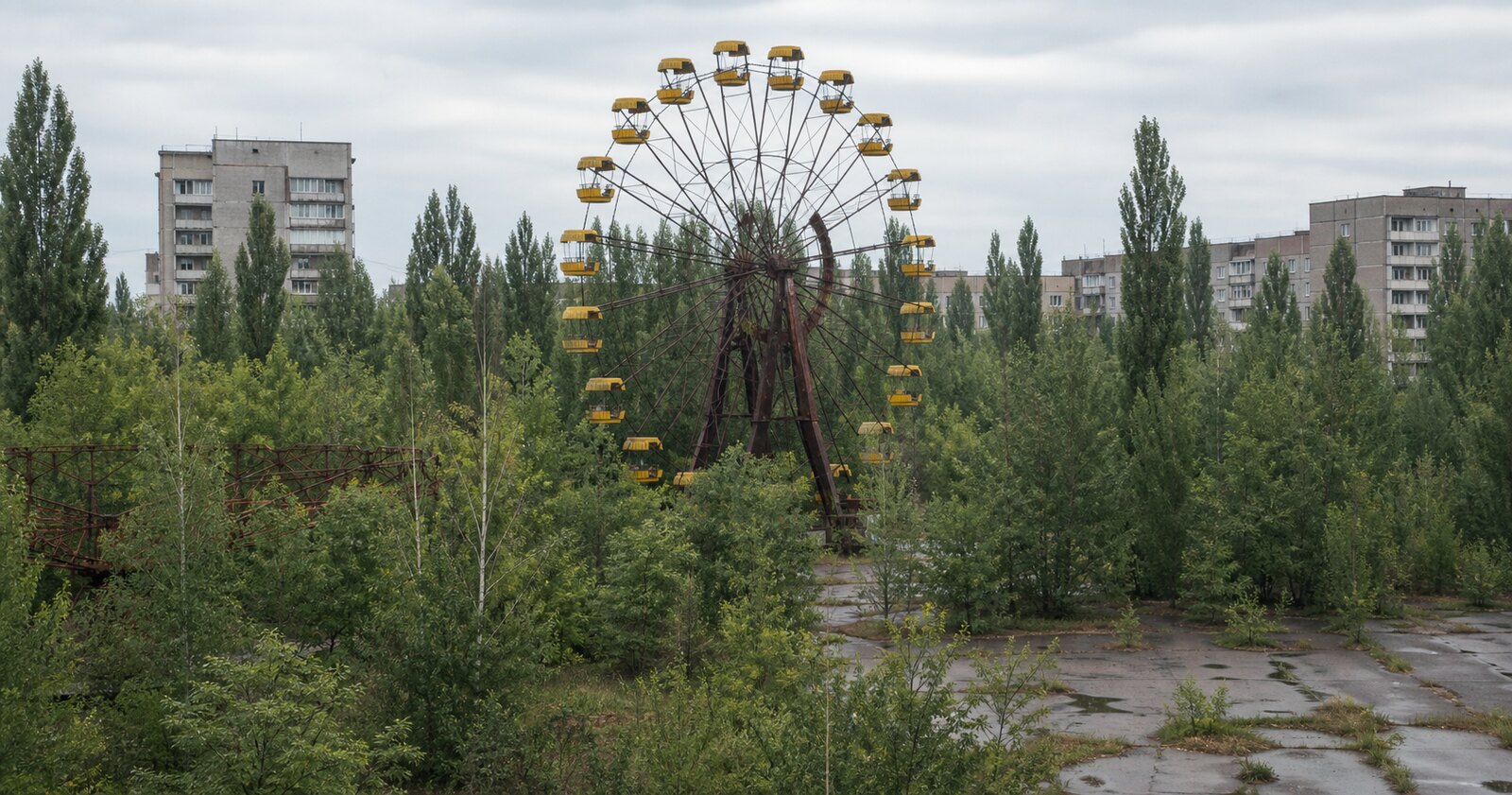
The buses pulled away, nearly 50,000 people left Pripyat, and a brand-new Ferris wheel was abandoned before opening day. Four decades later, it's still waiting above the trees.
That's the photograph everyone recognizes. The real Chernobyl story is bigger: Reactor 4, a hidden Soviet radar, a city stripped of its future, and an exclusion zone reshaped by war.
Can you visit it now? No—but what a Chernobyl tour once revealed is worth understanding.
Can You Tour Chernobyl Right Now?
For an ordinary traveler in 2026, the answer is no. Regular tourist visits remain suspended during Russia's war, and the exclusion zone now carries military and explosive hazards alongside the radiological risks that were already there.
Don't mistake an old tour-company calendar or a working payment form for permission to enter. Current reporting from the region confirms that wartime access remains restricted.
The power plant's official visit page explains an approval process for technical delegations and the media. That's a tightly controlled professional visit, not a back door for tourists.
Ukraine's security situation can change quickly, so read current government travel advice before planning any trip to the country. Don't pay anyone promising a secret route, a friendly guard, or an unofficial shortcut into the Zone.
A quick spelling note: Ukraine's official English-language pages use Chornobyl, reflecting the Ukrainian name. Chernobyl remains the spelling most English-speaking travelers recognize and search for; both refer to the same place.
What Happened on April 26, 1986?
At 1:23 a.m., a late-night safety test at Reactor 4 went catastrophically wrong. A dangerous combination of the RBMK reactor's design flaws and decisions made during the test produced a sudden power surge, explosions, fire, and a massive release of radioactive material.
The firefighters and plant workers who responded that night faced an emergency almost nobody fully understood. Pripyat, the purpose-built city three kilometers away, wasn't evacuated until the following afternoon.
By the end of 1986, about 116,000 people had been evacuated from 188 communities. Around 90,000 workers then built the first steel-and-concrete Shelter over Reactor 4 in just 206 days.
The short reconstruction below makes the sequence much easier to follow without drowning the story in reactor terminology.

- Reconstructs the Chernobyl disaster through reporting and firsthand accounts
- Adds crucial context before reading about the exclusion zone and its legacy
- A gripping history for readers who want more than disaster tourism
The Places a Chernobyl Tour Once Showed You
The old day trips from Kyiv weren't simply visits to one ruined reactor. They moved through a much larger landscape of abandoned homes, Soviet technology, working nuclear facilities, forest, and memory.
Pripyat: A City With Its Future Removed
Pripyat was founded in 1970 for power-plant workers and their families. By 1986, nearly 50,000 people had schools, shops, sports halls, apartment blocks, a cinema, and ordinary plans for the following week.
That normality is what makes the city so affecting. The empty swimming pool and peeling classrooms aren't spooky props; they're pieces of interrupted lives.
Time hasn't politely preserved those rooms. Weather, plants, structural decay, looting, and years of visitors have all changed what cameras now see, and some of the most dramatic objects were moved or arranged long after the evacuation.
The Ferris Wheel That Never Got Its Opening Day
Pripyat's amusement park was due to open for the May Day celebrations on May 1, 1986. The city was evacuated four days earlier.
Its yellow Ferris wheel didn't become famous because anyone remembers riding it. It became famous because an entire city disappeared before the ride could begin.

- Introduces Ukraine through the faces and stories of its people
- Offers visual context for the country beyond breaking-news imagery
- A substantial gift for readers drawn to contemporary Ukrainian life
Reactor 4 and the Enormous Steel Arch
The hurriedly built 1986 Shelter was never meant to be the final answer. Decades later, the New Safe Confinement was assembled nearby and slid over Reactor 4, creating the vast arch that now dominates the plant.
The structure is taller than the Statue of Liberty from heel to head and wide enough to cover a major stadium. Its real purpose isn't visual drama; it gives engineers a controlled space to dismantle unstable parts of the old Shelter and manage radioactive material.
Duga, the “Russian Woodpecker”
Hidden in the forest, Duga looks like someone built a steel wall and forgot to stop. The enormous Soviet over-the-horizon radar formed part of an early-warning system intended to detect missile launches far beyond the horizon.
Its tapping radio interference reached listeners around the world, earning it the nickname “Russian Woodpecker.” For years, people heard the signal without knowing what produced it.
Kopachi and the Red Forest
After Kopachi was evacuated, most of its wooden buildings were bulldozed and buried in an attempt to contain contamination. A few masonry buildings remained above ground while warning signs and low mounds marked what had disappeared beneath it.
Nearby, intense fallout killed and reddened a stretch of pine forest that became known as the Red Forest. The name sounds almost poetic until you remember what caused the color.
Chernobyl Town Isn't Pripyat
The names are often swapped, but they aren't the same place. Pripyat is the abandoned Soviet city beside the plant; Chernobyl is a much older town farther south that later supported workers and administration inside the exclusion zone.
That distinction matters because the Zone was never one giant ghost town. Even before the war, it was a controlled working landscape with checkpoints, scientists, firefighters, engineers, and people maintaining hazardous sites.
This 60 Minutes archive report entered the exclusion zone in 2014 and captures both its strange stillness and the serious work continuing behind the famous ruins.
The Zone Was Never Frozen in 1986
Nature has pushed through asphalt, wrapped itself around buildings, and reclaimed land people once farmed. Wolves, deer, birds, and other wildlife live across a landscape where human pressure fell dramatically—but that doesn't mean radiation became harmless.
The more interesting truth is less tidy. Wildlife and persistent contamination exist together, while fires, collapsing buildings, and wartime damage keep changing the environment.
Chernobyl doesn't need mutant-catfish stories or carefully positioned dolls to hold your attention. The real place is stranger, sadder, and far more compelling than the mythology built around it.
War Changed Chernobyl Again
Russian forces seized the Chornobyl plant on February 24, 2022, the first day of the full-scale invasion, and used the site as a military base. Plant staff were held on an exhausting shift while power, access, and normal safety work were disrupted.
The forces withdrew at the end of March, but the Zone had become an invasion corridor rather than a visitor route. The plant's official account of the occupation records damaged infrastructure, stolen equipment, and the severe strain placed on its workers.
Then, on February 14, 2025, a drone struck the New Safe Confinement and started a fire. An April 2026 plant update said the arch could no longer maintain full leak-tightness, although the site remained stable and no releases above regulatory limits had been recorded.
Repairs are underway, and the international work to make Chornobyl safe continues. This is why the story can't end with a Ferris wheel and a photograph from 1986.

- Traces Ukraine from its earliest history through the modern independent state
- Explains why Kyiv stands at the center of the Eastern European story
- A strong foundation for understanding Ukrainian identity, borders, and politics
If Chernobyl Tours Return
Wait for Ukrainian authorities to reopen the Zone and publish current rules. A legitimate future visit should use an authorized operator, a fixed route, identity checks, radiation monitoring, and whatever protective requirements officials set at the time.
Don't enter abandoned buildings, wander away from the guide, touch objects, or take a “souvenir.” Beyond the safety risk, every moved schoolbook or stolen sign makes the place a little less truthful for the people who actually lived there.
Most importantly, go to listen. Chernobyl's strongest story isn't about collecting eerie photographs; it's about evacuees, firefighters, plant workers, liquidators, scientists, and the teams still managing the consequences forty years later.
For now, this isn't a day trip to add to a Kyiv itinerary. Learn the history, follow official guidance, and leave the Zone to the people authorized to work there.